.png)


.avif)
Diagnosing Strange AC Smells In Your Wayland Home
When you're relying on your AC system to keep your Wayland home cool during the peak of summer, the last thing you want to notice is a strange or unpleasant smell coming through the vents. Strong or musty odors aren't just a nuisance—they can signal issues that need attention before they grow into bigger problems. If the smell lingers or gets worse when the system runs, it's usually a sign that something inside your AC unit isn't working like it should.Many homeowners brush off strange AC smells at first, assuming it's just excess humidity or something temporary. But ignoring these warning signs could lead to costly damage down the road. Understanding what different odors mean and knowing when to act can help you protect your home's air quality and your AC system's performance through the rest of the summer.
Common Causes Of Unpleasant AC Smells
Your AC shouldn't produce any noticeable smell. When it does, it's often due to something going wrong inside the system or along the ductwork. Some of these causes are easy to fix, while others require immediate attention from a trained technician. Here's a breakdown of some of the most common sources of unpleasant odors coming from your air conditioning unit:- Mold or mildew buildup: A musty or damp smell could be due to mold growing on internal parts, especially the evaporator coils or drain pan.- Clogged condensate drain line: When moisture can't drain properly, water collects and creates the ideal environment for bacteria and mold.- Burning or electrical smells: A smoky or plastic-burning odor might come from overheating wires or a worn-out component. This should be addressed quickly.- Rotten egg smell: In rare cases, this may indicate a gas leak in or near your HVAC system. Even though gas has no natural odor, sulfur is added for safety. Take this seriously and stay safe.- Dirty filters: Old, clogged filters can trap pollutants and recirculate bad odors throughout your home.- Pest issues: The smell of something rotting could be the sign of a dead animal inside the ducts or AC housing.A homeowner in Wayland once reported a damp, earthy smell each time their AC turned on. It turned out mold had developed in the system’s drainage line. Once it was cleaned out and properly maintained, the smell went away completely. Identifying where the problem is coming from is the first step in getting back to clean, cool air.
Health Risks Associated With Ignoring Strange AC Smells
Breathing clean indoor air matters, especially during the hotter months when windows stay closed and the AC runs constantly. Strange smells coming from your cooling system may be more than just frustrating—they could actually harm your health if left unchecked.Some odors are linked to mold spores being circulated through your home’s air. This can trigger breathing problems, especially in residents with asthma, allergies, or weakened immune systems. Even for those without existing conditions, long-term exposure to poor air quality can result in coughing, itchy eyes, and headaches.Burning or chemical smells are especially concerning. These might point to electrical problems, which not only pose safety hazards but can also add dangerous fumes to the air. These kinds of issues should never be approached casually or put off for another day.When an AC unit runs with dirty filters or mold buildup, it continues to spread those particles throughout every room, especially in smaller homes where airflow moves quickly from one area to another. If children or older adults live in your home, the risks multiply. The sooner bad odors are addressed, the quicker you can get your indoor air quality back to safe levels.
Identifying the Source of the Smell
When a strange odor comes from your AC, the first step is figuring out where it’s coming from. Catching the source early helps prevent continued exposure to poor air and further damage to your system. While some causes are buried deep in the unit or ductwork and require a trained eye, there are a few early checks you can do safely.1. Check your air filters. If they look dirty or smell musty, replace them. This could fix the issue if the filter was the only problem.2. Sniff near the vents. If one room carries a stronger odor than the rest, it may help narrow down the problem.3. Look for standing water near the indoor unit or drip tray. That might point to a blockage in the condensate drain line.4. Listen for strange noises alongside the smell, like buzzing or crackling. Combined signs help confirm if it’s an electrical issue.5. If you smell gas or rotten eggs, exit the house and call for help immediately. That’s outside the scope of regular AC maintenance.Avoid taking anything apart or reaching into the unit. Even with good intentions, it’s easy to do more harm than good or put your safety at risk. Strange AC smells connected to electrical wiring, refrigerant, or mold require the right tools and protection. That’s when trained technicians should step in and take over.
Why AC Repair In Wayland Should Be Handled By Professionals
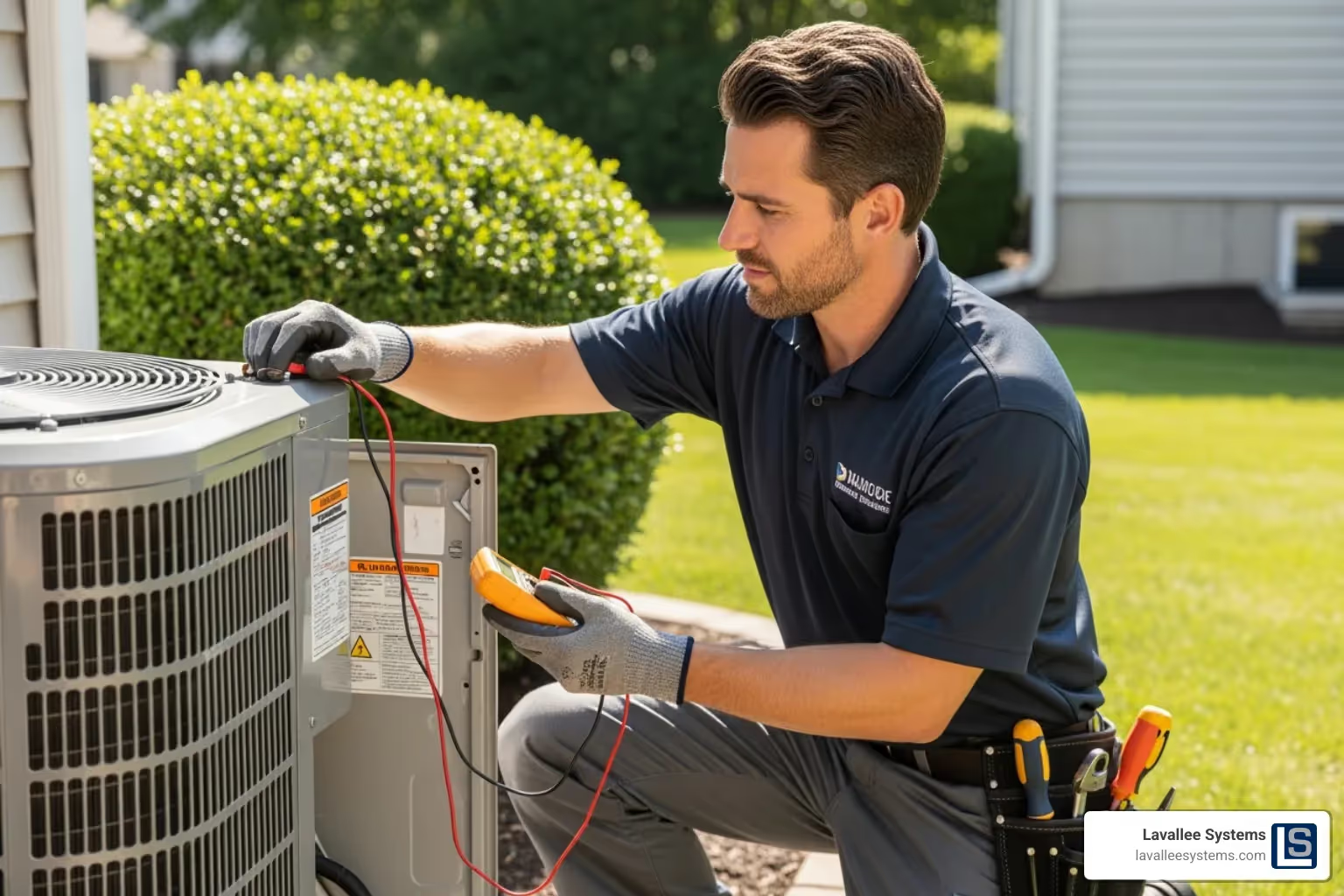
When it comes to resolving unwanted smells coming from your AC system, the fix isn’t always straightforward. Whether it's a refrigerant leak, mold behind the evaporator coil, or a wiring issue, specialized knowledge and equipment are often needed. A surface-level cleaning may remove the odor for a few days but won't reach the core problem.AC systems have multiple components working together: the blower, coils, compressor, condensate drainage system, and ducts. If one part is leaking or failing, it can affect the entire system. For example, if your AC smells musty and cooling also seems uneven, the issue might be a blocked evaporator drain combined with restricted airflow.Our professionals are trained to spot these connections and test for underlying causes instead of just handling surface issues. They use diagnostic tools and follow proven methods for cleaning, repairing, or replacing damaged parts without hurting the rest of the system. Whether it’s removing contamination or fixing wiring insulation, these odor sources need the right solution the first time.There’s also the safety factor. Complex repairs involving electric components or refrigerant require handling with care. Homeowners trying to fix this themselves often run into more trouble, especially when the cause is hidden in a tight, hard-to-access spot.
Tips To Keep Your Home’s AC System Smelling Fresh
Staying on top of AC maintenance in Wayland summers can make all the difference. Most strange smells can be avoided with consistent upkeep. Here are a few ways to keep your system running cleanly and smelling fresh:- Replace your filters every one to three months, or more often if you have pets or allergies.- Keep the area around your indoor and outdoor AC units clean and free of moisture or debris.- Schedule an AC tune-up before summer. Catching minor issues early helps avoid big problems later on.- Request a duct inspection if it’s been years since the last one. Mold, dust, or even pests might be hiding inside.- Make sure the condensate drain is clear and draining correctly during periods of high humidity.These habits don’t take much but can help extend the life of your system and improve air quality in your home. Fresh, cool air shouldn’t come with an odor.
Ensuring Cool and Clean Air This Summer
Wayland residents know how important it is to have a dependable AC system when summer temperatures climb. But even the best systems can run into trouble, and strange smells are one of the easiest signs to spot. When bad odors are ignored, they tend to spread, affect comfort, and even impact your family’s health.The good news is, strange smells are fixable—when caught early and handled with the right care. Whether it’s clogged drainage, electrical burning, or mold buildup, each source has a solution. By recognizing the smells, acting quickly, and working with the right support, you protect not just your AC unit but your entire home environment.If you notice a strange odor coming from your cooling system or it’s not performing as efficiently as it should, professional AC repair in Wayland may be the solution to restore clean, comfortable air in your home. Lavallee Systems brings years of trusted experience to every repair, ensuring your AC system runs reliably all season long. For a quick estimate or to book a service visit, please contact us today.
Schedule Expert Service Or Contact Us
MEMBERSHIP
PLAN BENEFITS

15% OFF ANNUAL SYSTEM MAINTENANCE
Enjoy discounted pricing on our already affordable maintenance services.
10% OFF FLAT RATE REPAIRS
Save on necessary repairs with a fixed discount.
5% OFF SYSTEM INSTALLATIONS
Upgrade your system with an exclusive member discount.
WAIVED EMERGENCY SERVICE FEE
Avoid the $300 fee if emergency service is ever required.
PRIORITY SCHEDULING
When you need service, you’ll be at the top of our list for the fastest possible response.
EXPLORE OUR
MAINTENANCE PLANS

CUSTOMER
TESTIMONIALS


RELATED ARTICLES

The Healthy H20 Act and Lavallee Systems
Newton's HVAC Guarantees: Your Ultimate Guide to Service Assurance