.png)


.avif)
Troubleshooting Bad Odors From Your Home's Air Vents: Professional Solutions
If you’ve noticed strange or unpleasant odors coming from your home’s air vents, you’re not alone. This issue is more common than most homeowners realize and can quickly become a daily nuisance. Whether your home in Lincoln smells musty, like something’s burning, or just has a persistent foul odor, the source is almost always hiding somewhere in the HVAC system. These smells don’t just go away on their own — ignoring them can lead to serious indoor air quality problems over time.Addressing these odors early makes a real difference in the quality of air inside your home. Stale or contaminated air is often a sign that something is wrong inside your ductwork or ventilation system. The sooner the issue is identified, the faster you can restore comfort and safety to your living space. Our professionals are trained to handle these problems at the root, not just mask them, helping families in Lincoln breathe easier with practical, lasting solutions.
Identifying the Source of Bad Odors
Bad smells coming from air vents may all seem similar at first, but their causes can vary. Knowing what type of odor you’re dealing with can help pinpoint where to look and what steps are needed next. Most of these smells fall into a few common categories:- Musty or moldy odors: These are usually a sign of mold or mildew inside the ductwork or near your HVAC unit, often caused by moisture buildup.- Rotten or foul smells: This can indicate animal activity, such as a rodent or bird that may have entered the ducts and wasn’t able to get out.- Dirty sock smell: This often comes from bacterial growth on coils in the HVAC unit, especially when they haven’t been cleaned in a while.- Burning or smoky odors: These might occur if dust collects on the heater and burns off when it’s first turned on. If it lasts longer than a day, it could be something more serious.- Chemical smells: A sharp chemical odor could mean something like a coolant or refrigerant leak.Recognizing the smell is step one. Determining whether the issue is inside the duct system, the HVAC unit itself, or another ventilation point is where trained eyes make all the difference. Regular inspections allow early detection of these problems before they grow into bigger and messier issues. If you’ve turned on your air for the season and noticed a new smell that wasn’t there before, don’t assume it’ll clear up on its own. Anything persistent deserves a closer look.As an example, we've seen homeowners report a sudden musty odor in just one room that turned out to be a mold colony hidden in a disconnected vent line. Without a full inspection, that type of problem could’ve easily gone unnoticed for months. That’s why identifying where the odor starts and what it smells like will help our professionals take the correct steps to resolve it.
Steps to Troubleshoot Odors
While diagnosing serious issues requires trained expertise, there are a few steps homeowners in Lincoln can take first by doing a basic check of specific parts of the system. These details make it easier to describe the issue when reaching out for help:1. Do a visual inspection around the vent covers in each room. Look for signs of dust buildup, mold, or pest droppings, especially near ceiling and floor vents that don’t get checked often.2. Follow up by checking inside the vents, if possible. Shining a flashlight into the duct's opening can reveal signs of internal dirt buildup or blocked airflow.3. Inspect your HVAC filter. If it’s clogged or hasn’t been changed in months, that’s often part of the problem. Filters should typically be replaced every 1–3 months depending on usage and system type.4. Pay attention to how long the odor lasts. If it disappears after a minute or two, the issue might be temporary. If it lingers or happens every time the system runs, it’s either recurring or getting worse.5. Walk outside and check areas around the HVAC unit itself for signs of pooling water, spoilage, or plant material blocking vents or coils.These steps don’t fix the underlying problem, but they can help determine the issue's severity. If the filter is clean and there’s no visible debris, it’s time for a full assessment inside the system by a technician. Many odor causes sit deeper in the ductwork or mechanical parts of the HVAC, so they’re not going to be visible or fixable from the surface.
Professional Solutions for Persistent Odors
When odors continue to circulate through your home no matter what basic steps you take, it's a sign that deeper issues could be present inside your HVAC system. This is where professional intervention is necessary. Odors that linger even after changing filters or inspecting vents often point to something trapped or growing where you can’t reach without the right tools and experience.Persistent smells may be caused by built-up dust, mold developing along your ductwork, or bacteria clinging to AC coils. These conditions allow odors to keep spreading throughout the home, often worsening when the system runs for longer periods. A complete duct cleaning by trained professionals can remove these contaminants and help stop the problem at its source. This isn’t the same as vacuuming a vent cover. It is a detailed process that clears out mold, old debris, and mouse droppings if present.In some cases, installing an air purifier connected to your HVAC system can add another layer of protection. These units help capture small airborne particles before they circulate through each room. When paired with a cleaned duct system, they reduce the chance of new odors forming and can noticeably improve indoor air quality across the home.Even minor repairs, like sealing up loose duct joints or replacing old insulation near air handlers, can make a difference. When left unsealed or old, these areas create pockets where moisture and dust gather, creating the perfect environment for mold. Once these spots are fixed, airflow stays cleaner and more consistent.Our technicians don’t just treat symptoms. They uncover and remove the root issue so it doesn’t come back. If you’ve cleaned your vents, replaced the filter, and the smell keeps returning, it’s likely coming from somewhere deeper in the system that only a full inspection can reveal.
Preventing Future Odors in Your HVAC System
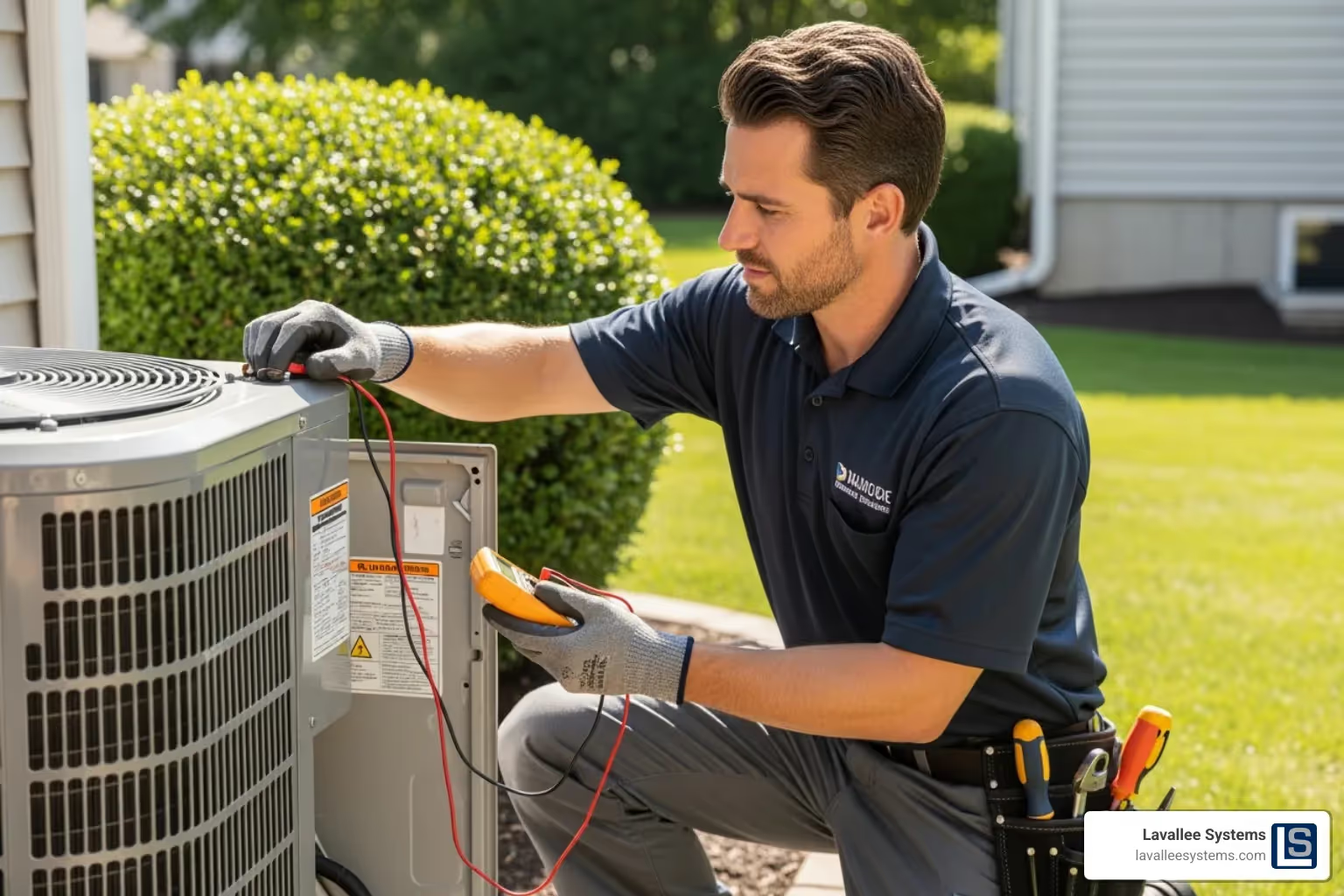
Once you’ve dealt with odor problems, keeping them from coming back is the next priority. Strong air quality in your Lincoln home depends on regular maintenance that prevents moisture, dust, or pests from gaining a foothold inside your HVAC system.Here are several long-term habits that help keep odors in check:- Change your air filter on time. Whether it’s every one, two, or three months depends on usage and system type. Staying on a schedule prevents dust, hair, and allergens from building up and creating musty smells.- Keep your vents and returns open and free of blockage. Furniture, rugs, or debris in front of vents can slow down airflow and create hot spots where mold could grow.- Schedule semi-annual inspections for your HVAC unit so coils, lines, and duct sections can be checked, cleaned, and sealed if needed.- Keep outdoor units clear of leaves, vines, or bushes. Obstructions near the condenser or intake points force your system to work harder and promote humidity buildup. Both of these raise odor risks.- Ask about duct sealing or insulation upgrades if your system is old. These updates reduce air leaks, keeping humidity and outside contaminants from creeping into the system.Preventive steps are easier and more cost-effective than waiting until the air becomes uncomfortable or the smell noticeable. Households that fall behind on maintenance typically experience odor recurrences every year or two, especially during seasonal transitions. A clean, well-maintained system doesn’t just smell better. It works better too.
Protect Your Indoor Air Quality Through Professional Support
Bad odors from your vents shouldn’t be brushed off as a minor annoyance. These smells can signal problems that silently affect your home’s air and overall comfort. When left unchecked, the root cause becomes harder to track and harder to fix. Whether it's ongoing mold growth, air leaks in the ductwork, or a buildup of pollutants, odors coming from your vents mean it’s time to act.Staying proactive and seeking help from trained technicians will make a noticeable difference in your daily home environment. Clean air doesn’t happen by chance. It needs a healthy, properly maintained system to push it through. For families in Lincoln, keeping indoor air quality strong starts by tackling vent odors before they get worse.For homeowners in Lincoln, addressing persistent air vent odors is key to maintaining a healthy home environment. Rely on Lavallee Systems and our professionals to accurately identify and correct issues in your HVAC system that impact daily living. If you would like to learn more about maintaining indoor air quality in Lincoln, our experts are ready to help. For a quick estimate or to book a service visit, please contact us today.
Schedule Expert Service Or Contact Us
MEMBERSHIP
PLAN BENEFITS

15% OFF ANNUAL SYSTEM MAINTENANCE
Enjoy discounted pricing on our already affordable maintenance services.
10% OFF FLAT RATE REPAIRS
Save on necessary repairs with a fixed discount.
5% OFF SYSTEM INSTALLATIONS
Upgrade your system with an exclusive member discount.
WAIVED EMERGENCY SERVICE FEE
Avoid the $300 fee if emergency service is ever required.
PRIORITY SCHEDULING
When you need service, you’ll be at the top of our list for the fastest possible response.
EXPLORE OUR
MAINTENANCE PLANS

CUSTOMER
TESTIMONIALS


RELATED ARTICLES

The Healthy H20 Act and Lavallee Systems
Newton's HVAC Guarantees: Your Ultimate Guide to Service Assurance